Ritz Theater
Cultural, Residential
Where Legends Began, New Stories Unfold.
[Background]
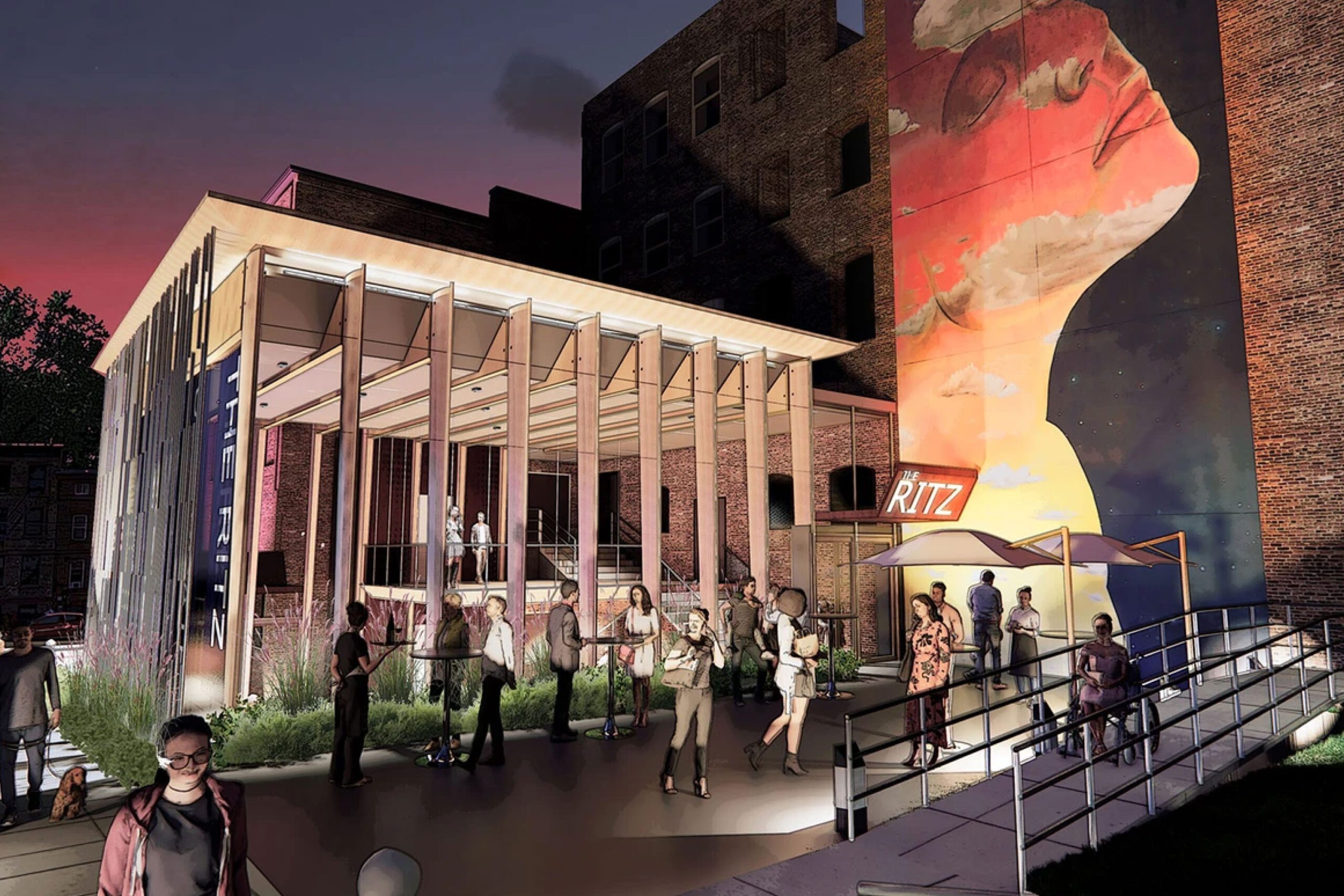
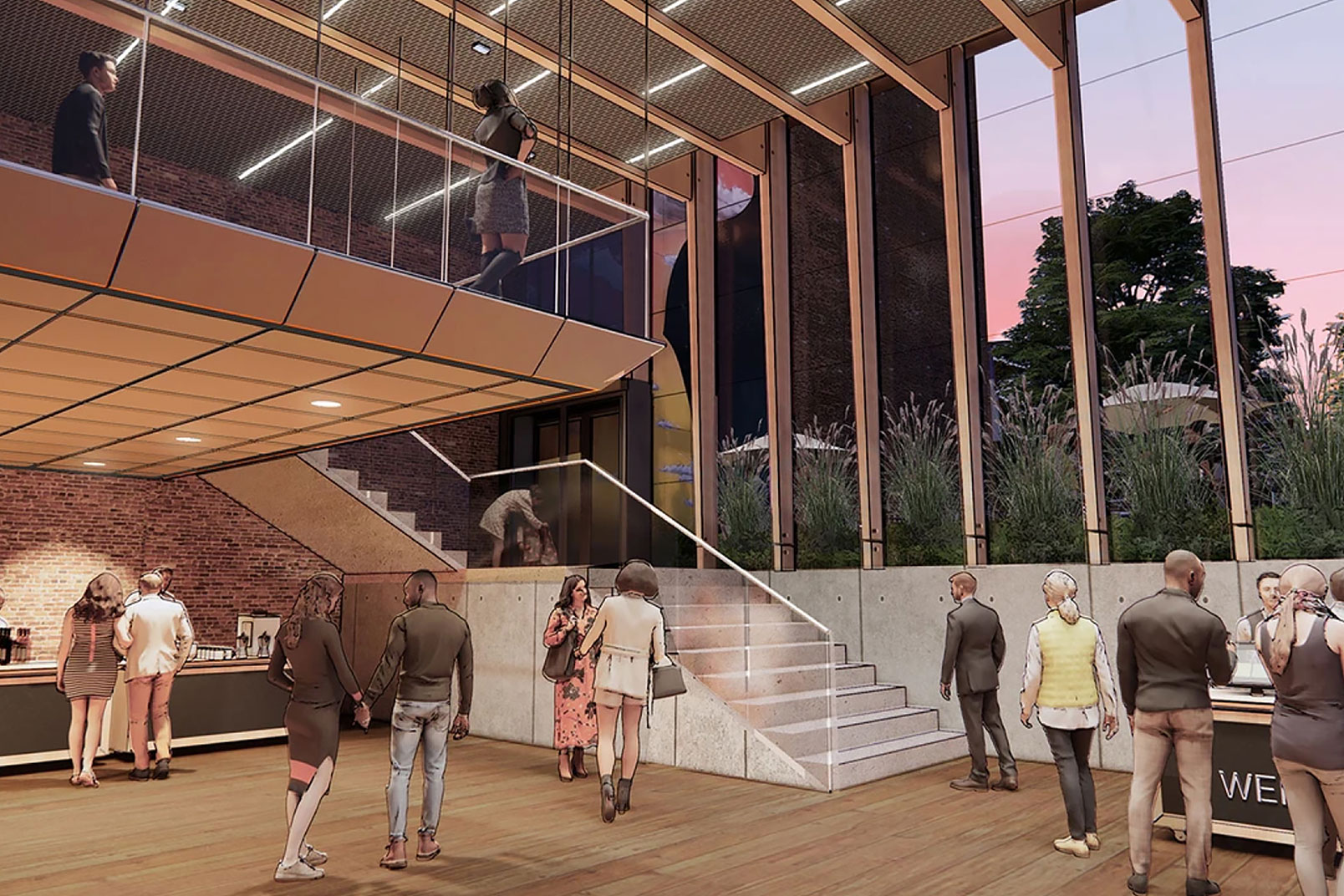
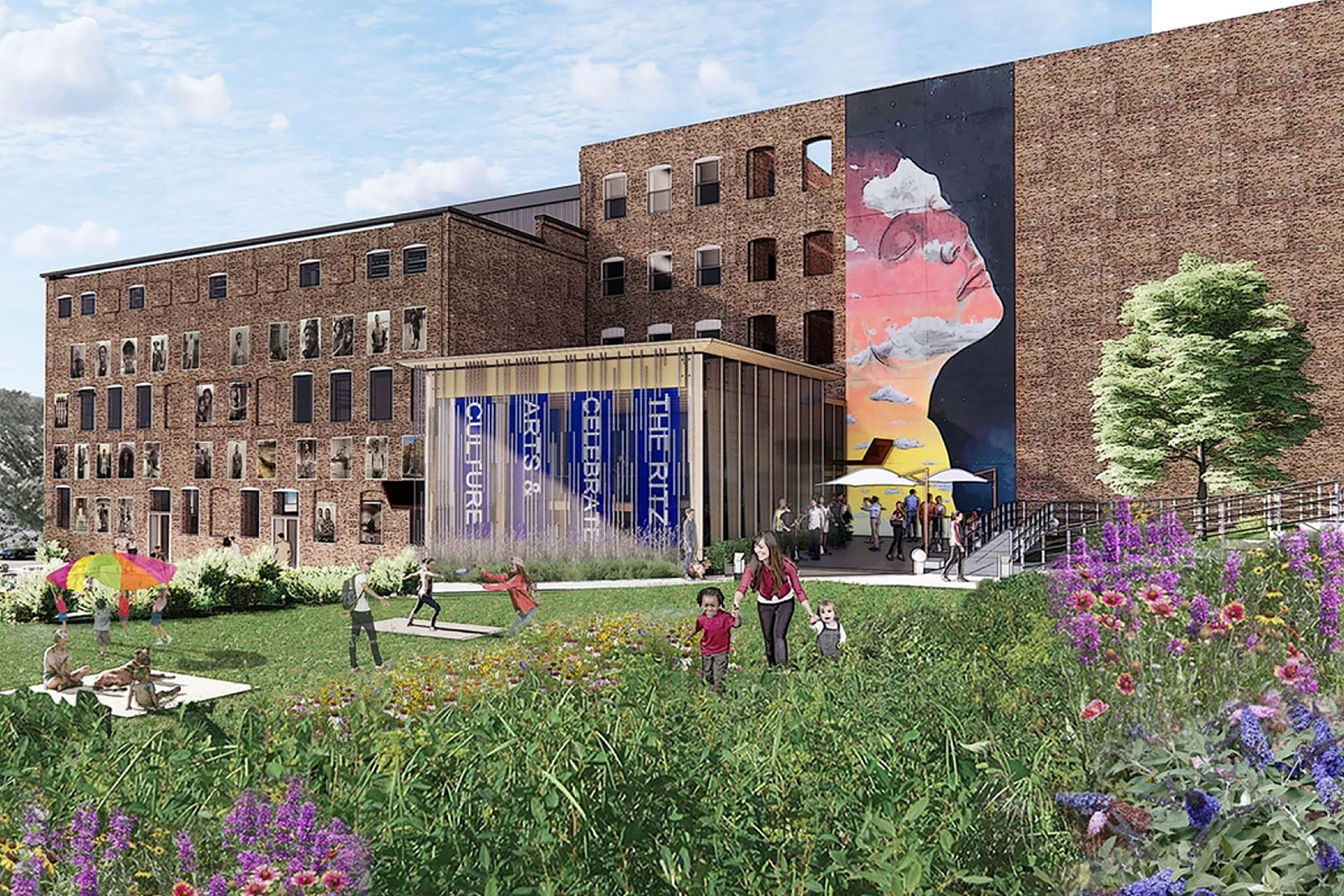
The Ritz Theater Renovation Project is a transformative initiative led by Safe Harbors of the Hudson to restore and reimagine one of Newburgh’s most iconic cultural landmarks. Originally built in 1883 and converted into a theater in 1913, the Ritz has hosted legendary performers including Frank Sinatra, Lucille Ball, Ella Fitzgerald, and Louis Prima. After decades of decline and disuse, the project aims to breathe new life into the space, integrating it into the city’s cultural and civic fabric.
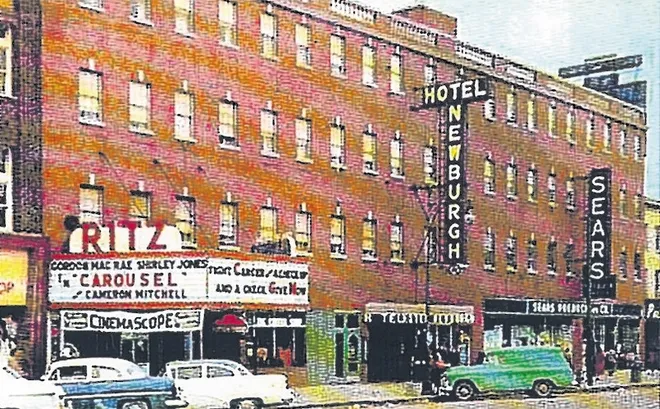
Breathing New Life into Newburgh: Ritz Theater Renovation Integrates Landmark into Civic Fabric
[Process]
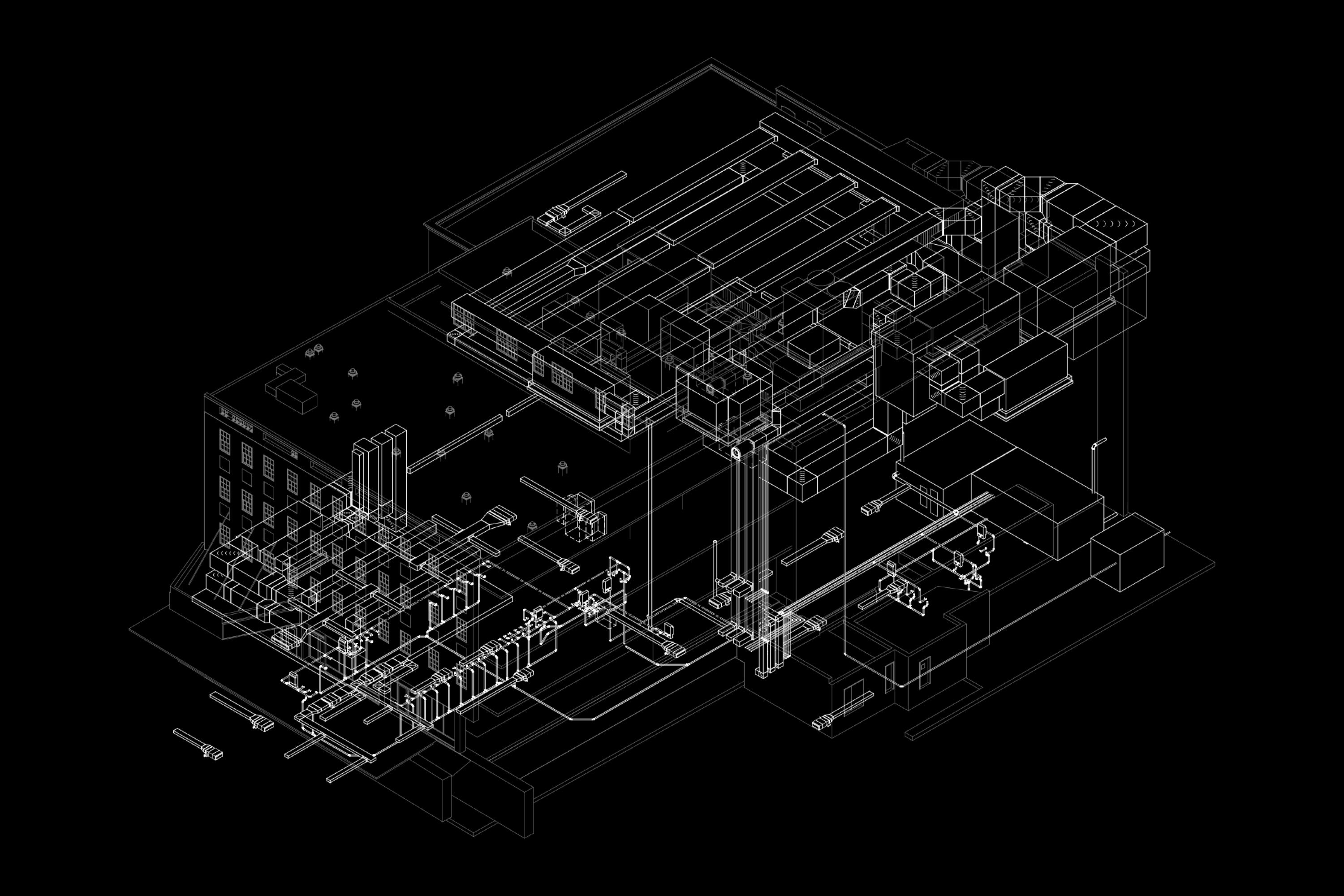
The engineering design process for the restoration of the historic Ritz Theater in Newburgh, NY, focuses on modernizing the building’s mechanical, electrical, and plumbing systems while preserving its architectural integrity. The project began with a detailed assessment of existing infrastructure, identifying outdated systems and opportunities for energy-efficient upgrades. Derive Engineers developed multiple design scenarios to address the theater’s unique spatial and operational needs, integrating HVAC systems for climate control, updated electrical systems for lighting and safety, and redesigned plumbing for code compliance. Fire protection and data infrastructure were also incorporated to meet modern performance standards. Throughout the process, coordination with architects ensured that all systems complemented the building’s historic character. Supported by grants from the New York Main Street program and the Preservation League of NYS, the MEP design aims to create a safe, efficient, and resilient environment that supports the theater’s revival as a vibrant cultural and community venue.
[Outcome]
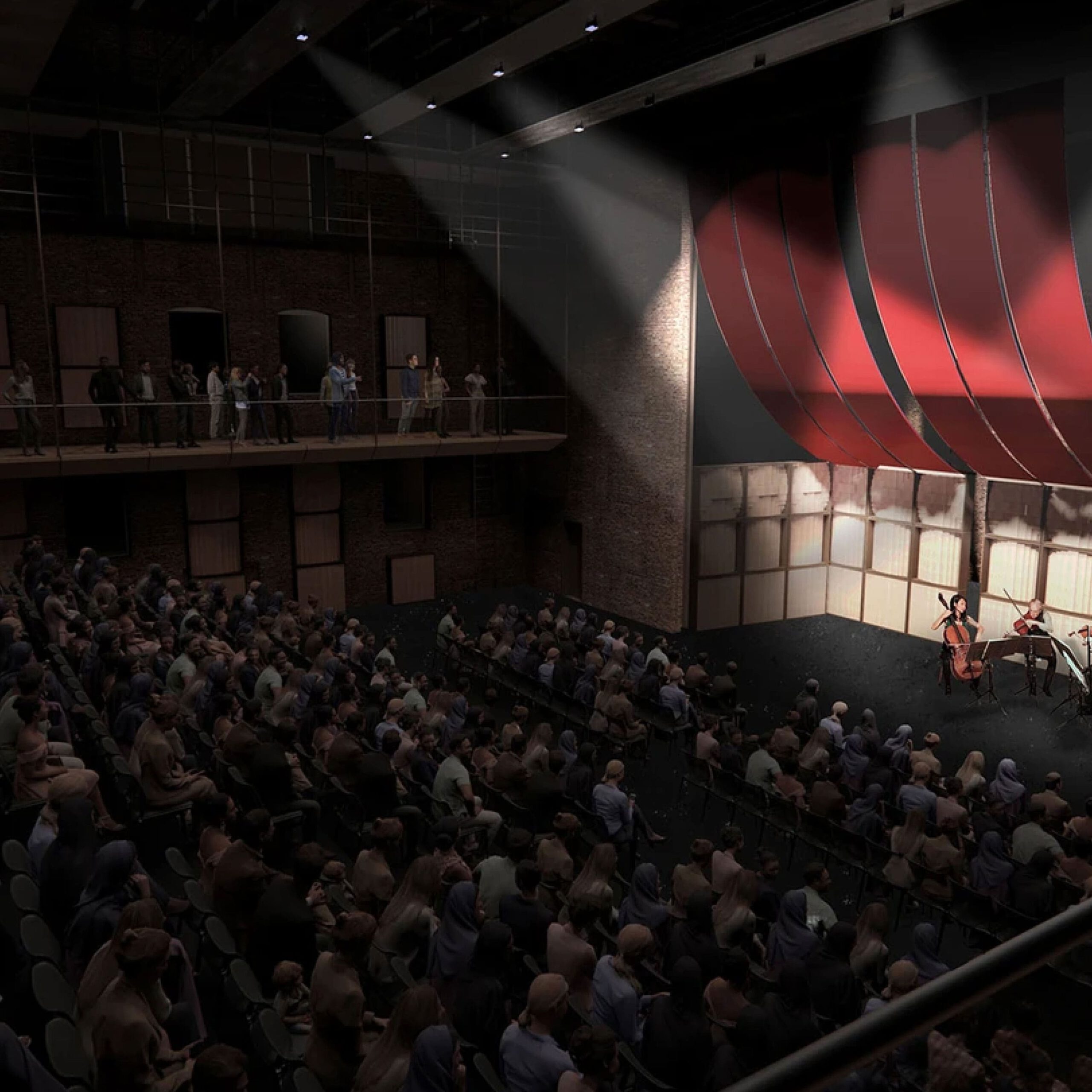
The final systems design for the Ritz Theater will yield a fully modernized infrastructure that seamlessly integrates advanced mechanical, electrical, and plumbing systems into the historic building while preserving its architectural character. The design ensures efficient HVAC for climate control, upgraded electrical systems to support performance and safety needs, and compliant plumbing and fire protection systems. It also incorporates data and communication capabilities to support future technological enhancements. Overall, the MEP design provides a safe, sustainable, and functional environment that supports the theater’s transformation into a vibrant cultural and community venue.
[Next Project]
Ritz Theater
Cultural, Residential
Where Legends Began, New Stories Unfold.